Search Everywhere SEO Strategy: Complete 2026 Guide to AI SEO

The Search Everywhere SEO Strategy is redefining how brands approach visibility online. Search is no longer limited to Google. People now discover answers across social media, AI tools, video platforms, and marketplaces.
If your brand isn’t visible across these touchpoints, you’re missing a major share of attention, traffic, and conversions.
This is where a multi-platform approach becomes essential. Instead of focusing on a single platform, it ensures your brand shows up wherever your audience searches.
Did you know?
Google’s AI Overviews now reach more than 1.5 billion people every month, showing how AI responses are a major discovery surface.
Why Search Everywhere SEO Strategy Matters in 2026
The way people search has changed. Users now rely on:
- Social platforms for recommendations
- AI tools for detailed answers
- Marketplaces for product discovery
- Video platforms for tutorials
Key Benefits:
- Wider reach: Connect with audiences across multiple platforms
- Higher engagement: Meet users where they already spend time
- Better conversions: Repeated exposure builds trust
- Reduced risk: Less dependence on one algorithm
- More search visibility: Occupy more digital space across platforms
AI models typically cite only two to seven sources in a response. That means competition is tighter, but the opportunity is significant for brands that optimise content for AI search engines effectively.
👉 Want to expand your reach across channels? Start building a tailored strategy today.
Where to Focus Your Search Everywhere SEO Strategy
To build an effective Search Everywhere SEO Strategy, you need to prioritise the right platforms. These fall into five key categories:
1. Traditional Search Engines
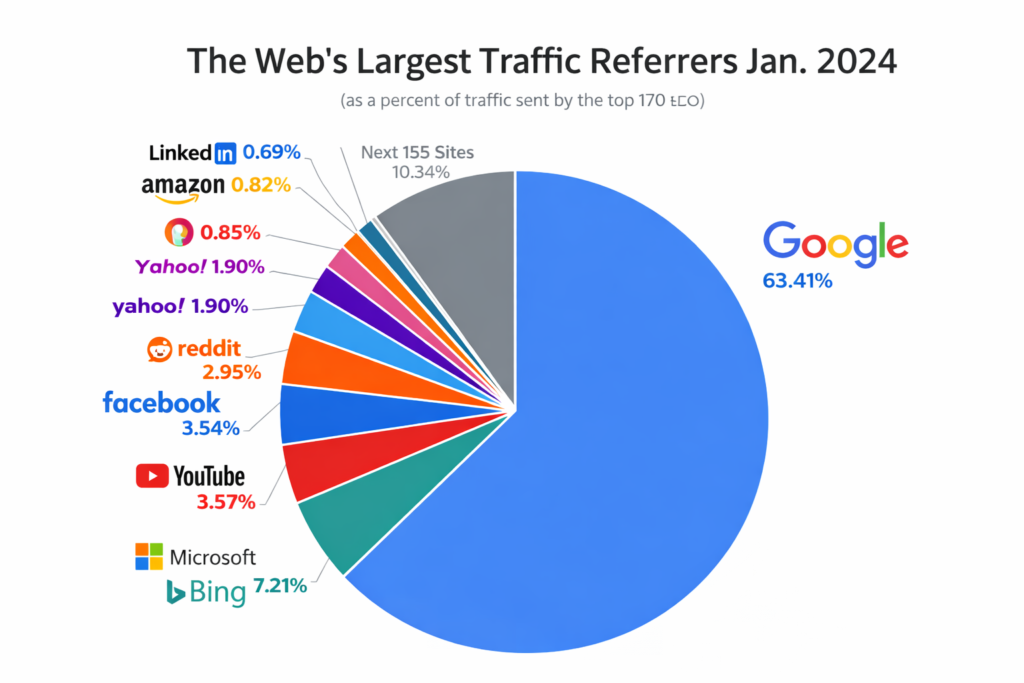
Even in 2026, search engines remain essential.
| Platform | Key Optimisation Focus |
|---|---|
| Content quality, backlinks, and technical SEO | |
| Bing | Keyword optimisation, structured data |
| YouTube | Video SEO, titles, transcripts |
Tips:
- Create authoritative content
- Optimise for featured snippets and AI summaries
- Strengthen E-E-A-T signals
2. Social Search Platforms
Social media is now a major discovery channel.
Optimisation tactics:
- Use keyword-rich captions and bios
- Add hashtags and location tags
- Post consistent, high-quality visuals
- Follow trends without losing brand voice
Did you know?
Social sites (like Reddit, YouTube, Quora, LinkedIn) appear in over 50 % of organic search result pages, indicating the importance of optimisation beyond Google itself.
Platforms to prioritise:
- TikTok
A strong Multi-Platform SEO Strategy ensures your content performs across all of them.
👉 Need help planning social content?
Build a consistent posting strategy aligned with your SEO goals.
3. AI Search Optimisation
AI tools are becoming primary search engines. AI Search Optimisation focuses on making your content discoverable by AI systems.
How to optimise:
- Use natural, conversational language
- Add structured data and schema
- Include clear FAQs
- Publish in-depth, authoritative content
This is a core part of any modern Search Everywhere SEO Strategy and aligns with AI-driven search marketing trends.
4. Shopping Platforms
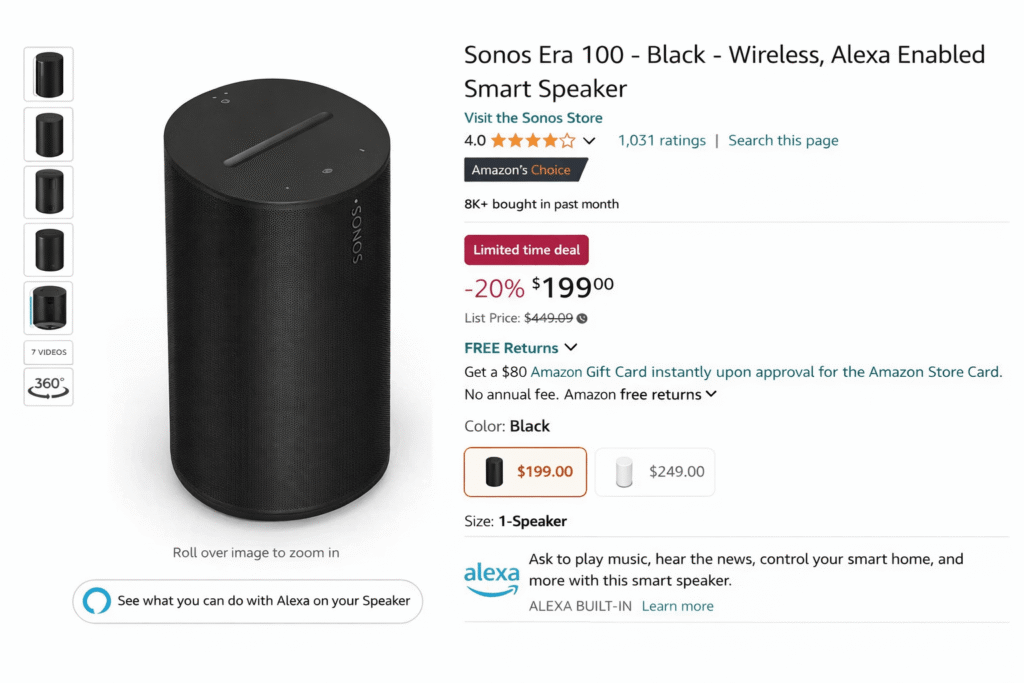
E-commerce platforms act like search engines.
Key optimisation areas:
- Product titles with keywords
- High-quality images
- Customer reviews
- Detailed descriptions
Platforms include:
- Amazon
- App stores
- Google Shopping
This strengthens your Omnichannel Search Optimisation efforts.
Ready to Boost Your E-Commerce Visibility?
Optimising your product listings across platforms is just the beginning. Take your Shopify SEO and E-Commerce SEO to the next level.
5. Underdog Channels (High Opportunity)
These are often overlooked but powerful.
- Podcasts
- Voice search
- Forums like Reddit and Quora
Why they matter:
- Lower competition
- High engagement
- Strong trust signals
A smart cross-platform search optimisation approach includes these channels.
8 Search Everywhere Optimisation Strategies for AI SEO
Search no longer happens in one place. People move between Google, AI tools, social media, and forums to find answers. To keep up, your strategy needs to build visibility and trust across all platforms.
Here are the most effective ways to optimise for this new search environment:
1. Manage Your Online Reputation
Your brand’s credibility depends on how it’s talked about online. Reviews, mentions, and listings all influence how both users and AI platforms perceive you.
- Encourage detailed customer reviews
- Respond to feedback consistently
- Keep listings accurate on review and comparison sites
2. Invest in Digital PR and Partnerships
Where your brand is mentioned matters as much as what you publish.
- Collaborate with industry websites and creators
- Contribute expert insights or data
- Get featured in trusted publications
These mentions strengthen authority and improve visibility across search and AI platforms.
3. Engage in Communities (Reddit, Forums)
Online communities are key discovery channels and are widely referenced by AI tools.
- Join relevant discussions
- Share helpful, genuine insights
- Avoid promotional or spammy responses
Consistent engagement builds trust and increases brand visibility.
4. Build Topic Hubs
Organise your content into connected topics to show depth and expertise.
- Cover related subtopics within your niche
- Link content logically
- Identify and fill content gaps
This helps both search engines and AI systems understand your authority.
5. Create Original, Citable Content
Unique data and insights make your content more likely to be referenced.
- Publish research, case studies, or surveys
- Share real data and examples
- Focus on adding new value, not repeating existing content
This improves your chances of being cited across platforms.
6. Track AI Mentions
You need to know where your brand appears in AI-generated results.
- Monitor how often your brand is cited
- Identify gaps where competitors appear instead
- Improve content based on insights
Tracking helps refine your overall strategy.
7. Diversify Your Content Distribution
Don’t rely on a single platform.
- Repurpose content into videos, posts, and short clips
- Share across social media, blogs, and newsletters
- Adapt formats for different audiences
This increases reach and strengthens visibility signals.
8. Strengthen SEO Fundamentals
Strong basics still matter.
- Follow E-E-A-T principles
- Use clear structure and headings
- Ensure fast, mobile-friendly pages
- Maintain clean technical SEO
Good SEO foundations support both traditional and AI search visibility.
👉 Looking to implement a full SEO Strategy for 2026? Start with a platform audit and prioritise high-impact channels.
Key Elements of a Strong SEO Strategy for 2026
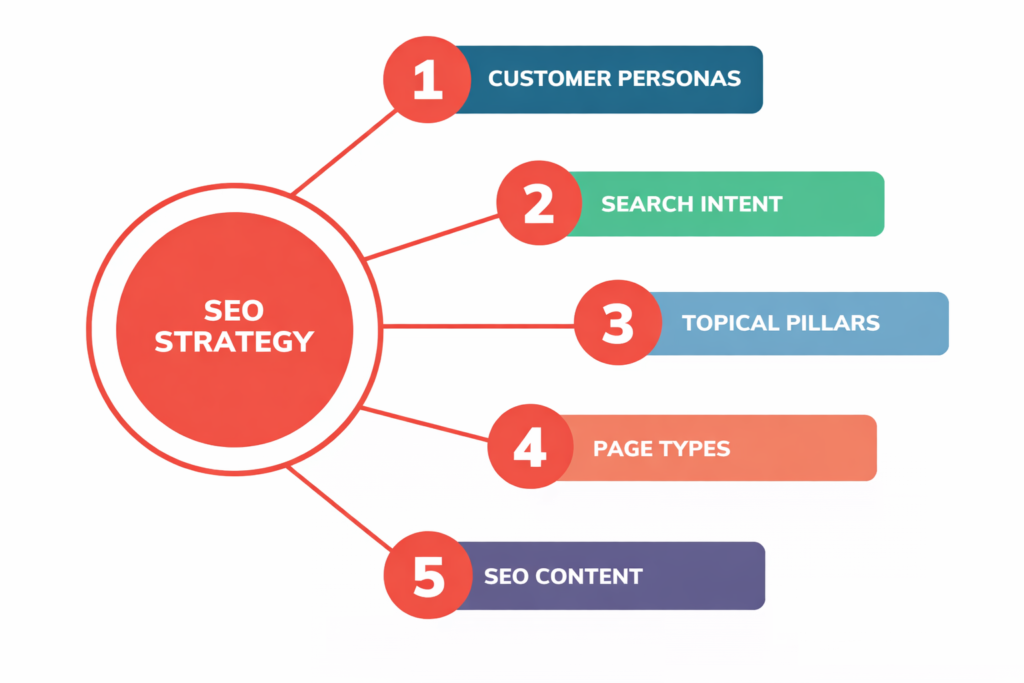
A successful SEO Strategy for 2026 combines multiple approaches:
- Traditional SEO
- Social SEO
- AI Search Optimisation
- Content marketing
- Technical SEO
Biggest Challenges in Multi-Platform SEO Strategy (With Solutions)
Explore key challenges in multi-platform SEO strategy and practical solutions to improve visibility, consistency, and performance across all major search channels.
1. Limited Resources
Limited time and budget make it difficult to manage multiple platforms effectively. Focus on high-impact channels your audience uses most, then gradually expand as resources grow.
2. Constant Algorithm Changes
Frequent algorithm updates can reduce visibility and disrupt performance. Stay informed, monitor analytics regularly, and prioritise high-quality, user-focused content that performs consistently across platforms.
3. Content Overload
Creating unique content for every platform becomes overwhelming and inefficient. Repurpose existing content into different formats like videos, posts, and snippets to save time and maintain consistency.
4. Brand Inconsistency
Managing multiple platforms can lead to mixed messaging and visuals. Establish clear brand guidelines for tone, design, and voice to ensure a consistent and recognisable presence everywhere.
Quick Comparison: Traditional SEO vs Search Everywhere SEO Strategy
| Factor | Traditional SEO | Search Everywhere SEO Strategy |
|---|---|---|
| Focus | Search engines only | Multiple platforms |
| Reach | Limited | व्यापक (wide reach) |
| Risk | High (algorithm dependency) | Lower (diversified presence) |
| Content | Mostly written | Multi-format |
| Strategy | Linear | Omnichannel |
Conclusion
Search is no longer confined to one platform. To stay competitive, brands must adopt a Search Everywhere SEO Strategy that covers every major touchpoint.
From Google to social media, from AI tools to marketplaces, visibility now depends on how well you optimise across the entire ecosystem.
The future belongs to brands that think beyond traditional SEO and embrace a fully integrated, AI-driven search marketing approach.
👉 Ready to scale your visibility across platforms? Get in touch and start building your Search Everywhere SEO Strategy today.