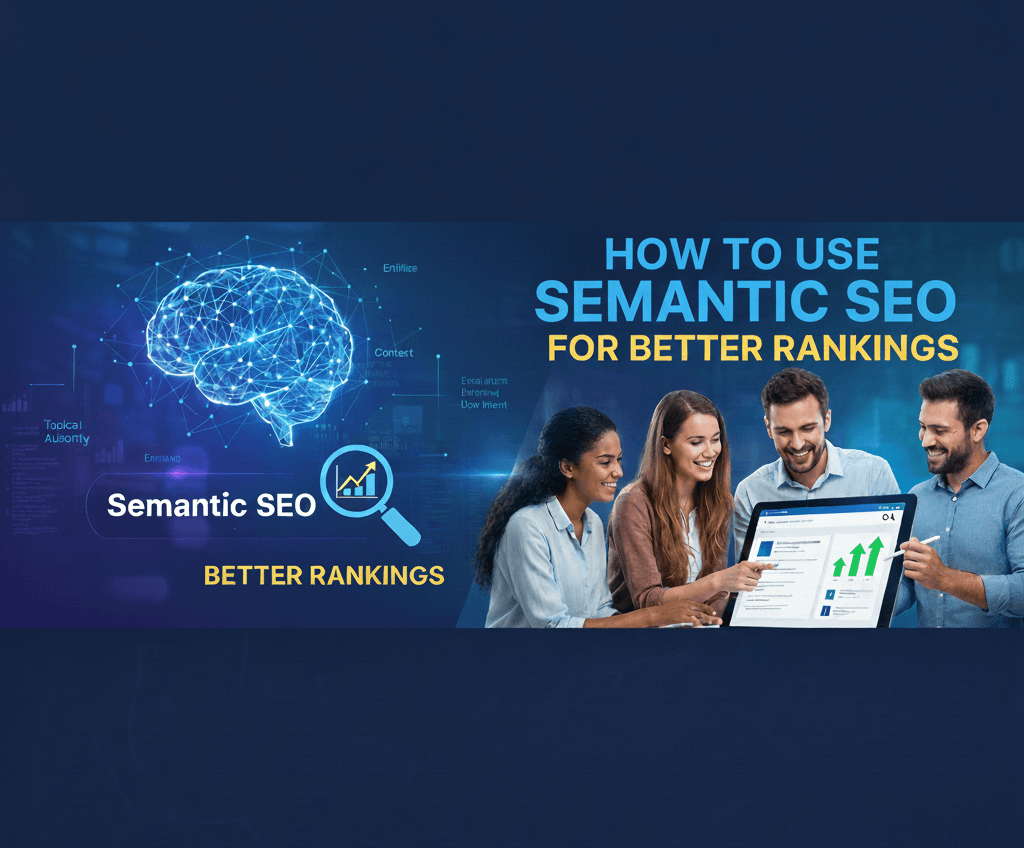
How Semantic SEO Shapes Modern Search Optimisation

Semantic SEO has become one of the most important directions in modern search engine optimisation. It goes beyond basic keyword matching and focuses on meaning, context, and search intent. Through semantic markup, Natural Language Processing, structured data, and machine learning in SEO, brands can create content that feels clearer, more relevant, and more aligned with how people actually search.
Earlier, ranking depended heavily on keyword matching. Today, more than 70% of Google queries are interpreted through semantic analysis, which explains why meaningful, well-structured content performs better. Word embeddings, topic clusters, and AI-driven algorithms allow search engines to understand content more like humans.
If you’re updating your website, this is a good moment to revisit how your pages explain context and intent.
Table of Contents
- What is Semantic SEO
- Benefits of Semantic SEO
- Challenges and Limitations
- Future Developments
- How to Write Content Using Semantic SEO
- How to Perform Keyword Research
- Structured Data and Semantic SEO
- NLP and Semantic SEO
- Named Entity Extraction
What is Semantic SEO
Semantic SEO is a content optimisation strategy focused on improving search engine ranking by helping search engines understand the meaning and context of your content. Instead of relying only on keywords, it uses semantic techniques like schema markup, structured data, NLP, and word embeddings to interpret relationships between topics.
Schema markup plays a major role. By adding structured data to your site, you give search engines more detailed information about your content. This makes it easier for them to classify your pages and match them to the right search intent.
NLP also supports Semantic SEO by analysing text, identifying concepts, and understanding how they connect. When your pages provide contextual content that aligns with user needs, search engines reward that clarity with better visibility.
Benefits of Semantic SEO
Semantic SEO offers a stronger, more reliable way to improve your online presence. Some of the top benefits include:
1. Improved Search Engine Results
Search engines can understand content relevance more accurately. A recent industry report showed that pages optimised with semantic techniques see an average of 35% more clicks compared to keyword-only pages.
2. Better User Experience
When search results align with the user’s real intention, visitors find what they need faster. This boosts engagement and lowers bounce rates.
3. Higher Visibility and More Accurate Ranking
Semantic markup and structured data help search engines recognise your authority on specific topics. This increases your chances of being included in rich snippets and featured answers.
4. Enhanced Content Structure
Semantic analysis helps identify your core themes, topic clusters, and supporting details, which makes your content easier to read and easier for search engines to interpret.
Want higher rankings? Boost your site with expert On-Page and Off-Page SEO using cutting-edge Semantic SEO techniques. Get started today!
Challenges and Limitations of Semantic SEO
Even though the benefits are clear, Semantic SEO comes with challenges:
1. Complexity
Semantic techniques require an understanding of NLP, structured data, and machine learning in SEO. This can be difficult for website owners who are new to technical optimisation.
2. Limited Adoption
Not all websites use structured data correctly, and not all search engines interpret it the same way. This can affect consistency in search performance.
3. Changing Algorithms
Semantic SEO evolves constantly. Search engines update their systems to improve understanding, which means you have to keep adjusting your strategy.
4. Broader SEO Needs
Semantic SEO is powerful, but it is only one part of a complete optimisation plan. Content relevance, website design, page speed, backlinks, and trust signals still matter.
Future Developments in Semantic SEO
Semantic SEO will continue to grow as AI-driven SEO tools become more advanced. Here are some expected developments:
• More Adoption
As more brands integrate structured data, search engines will rely more heavily on semantic markup.
• Advanced Algorithms
Emerging models like heading vectors, improved word embeddings, and deeper contextual analysis will make search results more accurate.
• Integration with Voice Search Optimisation
Voice queries rely heavily on context and natural language. Semantic SEO techniques will play a leading role in ranking content for conversational searches.
• Better Personalisation
Semantic data can help deliver search results based on behavior, location, and intent, improving user satisfaction.
Boost your rankings with Spotlight SEO Services. We use semantic SEO to make your content clear, relevant, and easily found. Optimise your site today!
How to Write Content Using Semantic SEO
To write content that aligns with Semantic SEO:
- Start with keyword research that focuses on meaning, not just individual terms.
- Use your main keyword naturally and support it with related terms that match user intent.
- Add structured data to help search engines understand your content.
- Write high-quality, informative, contextual content.
- Organise ideas into topic clusters that connect clearly.
- Avoid keyword stuffing and focus on clarity.
When you write for real users, search engines reward your efforts.
Need help creating semantic content?
Our SEO copywriting team can build optimised content that ranks naturally. Contact us today.
How to Perform Keyword Research for Semantic SEO
Semantic keyword research involves more than searching for high-volume terms. It focuses on understanding what your audience is trying to achieve.
Follow these steps:
- Know your audience and define their needs and pain points.
- Build a list of primary and secondary keywords that reflect real user intent.
- Evaluate competition and search patterns using tools like Keyword Planner or SEMrush.
- Group keywords into topic clusters for easier content planning.
- Map each cluster to search intent categories such as informational, transactional, or navigational.
This strengthens your content optimisation strategy and ensures your pages answer real questions.
Structured Data and Semantic SEO
Structured data is one of the strongest foundations of Semantic SEO. It helps search engines understand your content more clearly, which can increase visibility by showing rich snippets such as product ratings, FAQs, or reviews.
Schema markup can highlight:
- product details
- Articles
- Events
- Recipes
- business information
Studies show that pages using structured data can earn up to 30% more organic clicks.
Microdata, RDFa, and JSON-LD all support meaningful classification of web content. When search engines understand your context, they rank you more confidently.
Natural Language Processing and Semantic SEO
NLP helps search engines process and interpret human language. It allows them to understand relationships, context, and meaning rather than scanning for keywords.
NLP identifies:
- key concepts
- topic relevance
- intent behind queries
- relationships between terms
This makes your content more discoverable for complex or conversational searches.
Named Entity Extraction in Semantic SEO
Named entity extraction identifies people, brands, locations, and important concepts within your content. This helps search engines understand your topic clusters and align your pages with the right search intent.
For example, if your page mentions Apple, entity extraction helps determine whether you mean the technology company or the fruit.
Accurate entities improve search engine ranking and help users find more precise results.
Improve your visibility with a complete SEO audit.
If you want your ecommerce site to stand out, our e-commerce SEO and Shopify SEO services ensure your pages rank for the right intent. Get a full optimisation plan today!
Final Note
Semantic SEO is shaping the future of search by helping content align with meaning, context, and user intent. Pages optimised with semantic markup, structured data, and NLP techniques become more discoverable, relevant, and valuable to users.
By adopting these strategies, websites can achieve higher visibility and improved engagement. For expert guidance on Semantic SEO, contact us today.